
Picture Windows vs. Operable Windows: Balancing Natural Light with Airflow
October 22, 2026 11:44 amChoosing the right glass configurations for your house often comes down to a direct comparison of picture windows vs casement frames. You want massive views and natural light streaming into your living spaces, but you also need proper airflow to keep rooms fresh during spring and summer. Settling for one feature usually leaves you wishing you had the other.
Every homeowner faces this balance when planning an exterior renovation in Southwestern Ontario. Fixed glass brings wide, unobstructed views and exceptional thermal sealing, yet it leaves room air static. Hinged operable sashes supply refreshing breezes, but added frame profiles slightly reduce your visible glass area. Understanding how these designs function helps you pick the right balance for every floor of your house.
Picture Windows vs Casement: Core Differences
A picture window is a permanently fixed glass unit sealed directly into the wall frame. Because it lacks moving parts, tracks, or hinges, it acts as a solid barrier against winter drafts and summer humidity. It delivers maximum glass surface area, letting natural sunlight warm interior spaces while providing continuous exterior sightlines.
A casement window operates on heavy-duty side hinges, cranking outward like a door to catch breezes blowing along your exterior walls. When closed, its sash presses tight against flexible compression seals, making it one of the tightest-sealing operable options available.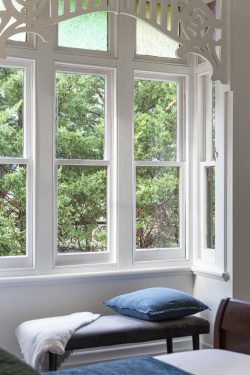
Understanding Fixed Glass Performance
Since picture windows do not open, they eliminate air leakage along sash tracks. This solid construction gives them superior insulation values compared to sliding or double-hung alternatives. Fixed glass frames easily accommodate multi-pane low-emissivity coatings and dense argon gas fills, keeping your home warm when winter temperatures drop.
How Hinged Casements Capture Airflow
Casement frames excel at directing fresh air straight into your home. Opening the sash outward acts as an air scoop, pulling breezes inside that would normally bypass traditional sliding sashes. This makes them ideal for kitchens, home offices, and living rooms that require frequent air turnover to clear out moisture, cooking odors, or stale indoor air.
Solving the Light versus Ventilation Trade-Off
You do not have to choose strictly between bright daylight and fresh air. A common solution is combining fixed glass with functional, operable side panels inside a single rough opening. Placing a wide picture frame in the center flanked by two thin casement units creates an expansive view while giving you complete control over incoming airflow.
Strategic Frame Placement for Every Room
For main-floor spaces like dining rooms and great rooms, positioning high-capacity picture glass toward backyard gardens enhances natural light. Surrounding those fixed panes with slim casement units ensures cross-ventilation across the entire floor plan.
Awning Windows Basement Applications and Code Rules
While casements handle primary above-grade living zones, applying specialized hinged designs further down your home’s foundation protects lower levels. Installing awning windows basement setups provides reliable moisture protection during rainstorms. Awning sashes open outward from bottom hinges, creating a top-hung glass umbrella that permits ventilation even during steady spring downpours.
Building safety codes in Ontario mandate minimum clear opening areas for bedroom egress, which completely rules out picture windows in lower-level sleeping quarters. Installing wide casement sashes or deep basement awnings satisfies local fire escape regulations while preventing damp basement air from lingering.
Managing Energy Bills, Condensation, and Solar Heat Gain
Windows play an enormous role in home energy performance. Drafty or poorly insulated frames allow warm indoor air to escape, forcing your HVAC system to work overtime. High-performance window glass installations dramatically lower monthly heating and cooling bills by creating a stable thermal envelope.
The Canadian Home Builders’ Association highlights that upgrading to energy-efficient window systems transforms interior comfort, cuts winter draft loss, and slashes overall household energy expenses.
Window Efficiency Factors:
* Fixed Glass Frames: Zero moving joints = Maximum airtight sealing.
* Compression Latches: Pulls casement sashes tight against weatherstripping.
* Argon Gas Layers: Fills space between panes to slow heat transfer.
* Low-E Coatings: Reflects indoor heat back inside during winter months.
Fixed picture glass offers the highest baseline insulation rating because it has no mechanical seals to wear out over time. When selecting casement units, choosing multi-point locking hardware ensures the operable sash pulls firmly against the outer frame gasket every time you crank it closed, locking out cold winter air.
Maintenance, Exterior Cleaning, and Frame Durability
Keeping window glass clean can become a major chore on multi-story homes. Fixed picture windows installed on second floors usually require extension poles, ladders, or professional exterior washing services.
Operable casements simplify routine maintenance. When cranked open to a full 90-degree angle, the hinge slides toward the center of the frame, leaving a clear gap between the sash and jamb. This smart design lets you safely wash both the interior and exterior glass surfaces from inside your room.
Cleaning Access Comparison:
- Picture Window (Floor 1): Easy ground-level wash.
- Picture Window (Floor 2+): Requires ladders, poles, or exterior service.
- Casement Window (Any Floor): Wash inside and outside glass from interior room.
High-grade vinyl and aluminum-clad frames resist rotting, warping, and peeling under harsh weather conditions. Checking exterior caulking once a year prevents water from seeping into exterior wall cavities around the frame perimeter.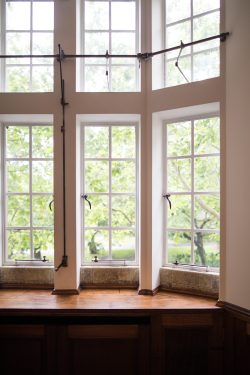
Combining Window Styles for Ideal Home Comfort
Designing a balanced home exterior means matching frame functionality to room activities. Use picture windows where you want maximum natural light, solar heat retention, and wide exterior views. Place operable casement units in areas where cooking steam, daily activity, or moisture buildup requires steady air exchange.
Combining fixed glass centerpieces with versatile operable side frames gives you the best of both worlds—uninterrupted views, low heating bills, and controlled breezes year-round.
Ready to upgrade your home’s lighting, comfort, and energy performance? Explore our complete line of custom replacement options by checking out our overview of specialized window types or discover our full range of energy-efficient window replacement services. Reach out to our team at McCallum Aluminum Ltd. today to schedule your free in-home consultation!
FAQs
Are picture windows cheaper than casement windows?
Yes, picture windows generally cost less than casement windows of the same size. They contain no mechanical cranks, heavy hinges, or complex latching hardware, making them less expensive to manufacture and install.
Do picture windows make a room hotter in the summer?
Uncoated clear glass allows solar heat to enter rooms. However, modern picture windows built with Low-E glass coatings and argon gas fills reflect solar heat rays outward, keeping your home cool without blocking sunlight.
Which window type is best for stopping cold winter drafts?
Picture windows offer the highest protection against air leaks because their glass is permanently sealed into the frame. Among operable options, casement windows rank closest in airtight performance because their compression locks pull the sash tight against gaskets.
Can I install a picture window in a bedroom?
You can install a picture window in a bedroom only if the room has another approved egress door or operable window that meets Ontario Building Code requirements for emergency exits.