
Casement, Slider, or Double-Hung? Choosing the Best Window Style for Every Room in Your House
September 25, 2026 1:31 pmReplacing aging residential windows often feels overwhelming when faced with hardware jargon and mechanical choices. Many homeowners pick a single frame style for their entire house without considering how each room functions day to day. A window style that functions smoothly over an open living room wall can cause constant frustration when installed above a deep kitchen sink. Understanding the operational differences between casement, double-hung, and slider options prevents costly home remodeling mistakes.
Understanding Window Mechanisms: Casement vs Double Hung Windows
Selecting the proper frame begins with learning how each operating style moves and seals within its outer casing. Every mechanism controls airflow, weatherproofing, and physical handling in a distinct way.
How Casement Windows Work
Casement windows anchor to their side frame with heavy-duty hinges and swing outward using a folding hand crank mechanism. When closed, a single rotary latch pulls the sash firmly against the flexible weather-stripping around the perimeter. This creates a compression seal similar to a refrigerator door, making it exceptional at blocking driving rain and cold winter wind.
How Double-Hung Windows Work
Double-hung windows feature two vertical sashes operating within a dual-track frame. Both the top sash and bottom sash slide up and down independently, supported by hidden spring balances inside the side jambs. Modern vinyl double-hung units also feature quick-release tilt latches, allowing both pieces of glass to swing inward toward the room for safe maintenance.
How Horizontal Sliding Windows Work
Sliding windows feature one or two sashes that glide horizontally along flat brass or nylon rollers. They move side to side within raised tracks, keeping the entire unit flush with the wall. Because they move sideways, sliding windows do not require crank handles, hinges, or heavy lifting mechanisms.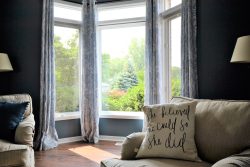
Matching Window Styles to Room Needs
Every room presents unique architectural features, furniture layouts, and ventilation demands. Finding the best window style for every room requires matching these spatial conditions to the proper operational hardware.
Kitchens and High-Counter Areas
Reaching over a wide granite countertop or deep sink basin to lift a heavy window frame places strain on your lower back. Double-hung styles often prove difficult to operate in these spots because you cannot leverage your body weight to lift the lower sash.
- Top Choice: Casement or Horizontal Slider
- Why it Works: Smooth folding crank handles on casement windows spin with minimal wrist effort, opening the glass fully even when leaning across a counter. Sliders also push side-to-side easily with one hand.
Second-Floor Bedrooms and Bathrooms
Upper-level rooms require smart ventilation control, safe operation around children, and realistic maintenance access without relying on tall extension ladders.
- Top Choice: Double-Hung Tilt Windows
- Why it Works: Opening the top sash lets warm, stale air escape near the ceiling while keeping the bottom sash locked tight for child safety. When dirt builds up outside, both glass sashes tilt inward so you can clean the exterior pane from inside the room.
Living Rooms and Front Elevations
Main floor living areas need tall architectural glass to flood interior spaces with daylight, frame lawn views, and capture passing breezes.
- Top Choice: Casement Windows paired with Fixed Picture Windows
- Why it Works: Casement glass sashes act like sails, catching breezes moving parallel to your house and scooping fresh air indoors. They also feature slim vinyl profiles that maximize natural sunlight.
Patios, Decks, and Narrow Exterior Walkways
Outdoor living spaces like back decks, narrow side yards, and covered porches need clear floor space for patio chairs, outdoor tables, and walking paths.
- Top Choice: Horizontal Sliding Windows
- Why it Works: Because sliding sashes move entirely inside the frame track, they never project outward into high-traffic outdoor living areas or bump into deck railings.
Solving Common Homeowner Pain Points
Replacing old windows gives you a chance to solve chronic house comfort problems, reduce daily home friction, and lower monthly heating bills.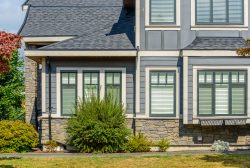
Stopping Winter Drafts and Cold Air Leaks
Loose-fitting slider tracks can allow cold drafts to leak past worn brush seals during harsh winter storms. Evaluating casement vs double hung windows shows a clear difference in thermal sealing capabilities. Casements press directly into their rubber frame seals as you lock the hand lever. When winter winds blow against the outside glass, the force actually pushes the sash tighter into the frame gasket, stopping air infiltration cold.
Eliminating Reaching and Lifting Struggles
Aging double-hung windows with worn balance springs or painted-shut tracks require significant muscle force to lift open. Choosing smooth-rolling sliding windows or effortless geared casements eliminates joint strain. Homeowners dealing with arthritis or limited mobility find folding crank handles much easier to manage throughout the day.
Safe and Easy Exterior Cleaning
Hiring professional window washers or climbing dangerous extension ladders each spring creates unwanted stress and recurring expense. Modern double-hung tilt mechanisms allow homeowners to release dual corner tabs and pivot the sash inward 90 degrees. This layout brings the outside glass face directly into your room, allowing quick cleaning with a standard microfiber cloth and glass spray.
When selecting decorative hardware, trim colors, or glass treatments for your room updates, explore simple home accent ideas at Chris Loves Julia to coordinate your new window interior trim with stylish sill decor.
Finding the Best Window Style for Every Room
To help choose the right replacement style for your home layout, walk through each room and check these key functional questions:
- Check the reach distance: Can you stand directly in front of the window glass, or must you lean across furniture, counters, or soaking tubs?
- Review outdoor clearance: Will an outward-swinging glass sash block narrow side walkways, deck chairs, or porch screened doors?
- Assess cleaning access: How high above ground level sits the window frame, and can you safely reach the exterior glass face?
- Evaluate air direction: Does your home receive steady cross-breezes that an angled casement sash could scoop inside?
Combining energy-efficient glass packages from trusted Canadian manufacturers like North Star and Gentek ensures long-lasting weather protection, low maintenance, and smooth operation across all four seasons.
Choosing the Right Local Window Installer
Selecting superior replacement hardware matters, but proper installation determines how well your windows perform over time. Poorly leveled frames cause sashes to stick, warp, and leak air around perimeter wall cavities.
Working with established local installation teams guarantees your window investment delivers maximum energy efficiency, beautiful exterior trim, and effortless operation for decades.
Ready to eliminate stubborn drafts and upgrade your home’s curb appeal? Contact our expert team today to request a free, no-pressure home estimate.
FAQs
Which window style is most energy efficient?
Casement windows deliver superior energy efficiency among operating window styles. Their mechanical compression latch pulls the sash firmly against perimeter weatherstripping, creating an airtight barrier against wind and rain.
Are double-hung windows harder to clean than slider windows?
Double-hung windows are generally easier to clean on upper floor levels. Modern vinyl double-hung units feature spring-loaded tilt latches that allow both glass sashes to swing inward, giving you safe access to exterior glass faces from inside the room.
Can I mix different window styles on the same house?
Yes, mixing window styles across different home elevations is common practice. Homeowners frequently use casement windows on front walls for curb appeal and air capture, while choosing double-hung or sliding units for side bedrooms and rear patio walls.
How long do modern vinyl replacement windows usually last?
High-quality vinyl replacement windows manufactured by companies like North Star and Gentek typically last 20 to 30 years or longer. Proper installation and occasional track cleaning ensure smooth hardware performance over their entire lifespan.