
Fiberglass vs. Steel: Which Entry Door Material Actually Lasts Longest in the Canadian Climate?
May 20, 2026 10:22 amLiving in Southwestern Ontario means your front door faces a relentless cycle of weather extremes. One week we are dealing with +30°C humidity and the next we are bracing for -20°C wind chills. These fluctuations do more than just make you uncomfortable; they physically stress the materials protecting your entrance.
When homeowners start looking for a replacement, the debate usually narrows down to fiberglass vs steel doors. Both options represent a significant step up from old wood doors that rot or peel. However, the performance gap between these two materials becomes very clear when the first frost hits the ground.
Choosing the right material isn’t just about how it looks on installation day. It is about how that door functions five or ten years from now. You want an entrance that stays square in its frame and keeps your heated air inside where it belongs.
The Seasonal Stick: Why Doors Fail in Winter
Have you ever noticed that your door is easy to lock in the summer but requires a shoulder lean to latch in January? We call this the “seasonal stick.” It happens because different materials react differently to thermal stress.
Steel is a metal, and metals expand and contract significantly when temperatures drop. This movement can cause the door slab to slightly bow or shift. Even a few millimetres of movement can break the seal of your weatherstripping. This leads to drafts and a lock that feels “crunchy” or difficult to turn.
Fiberglass is a composite material that is much more stable. It does not expand or contract at the same rate as steel or wood. This means a fiberglass door stays true to its original shape year-round. You won’t find yourself struggling with the deadbolt just because it’s a cold morning in London.
Solving the Thermal Bridging Problem
Thermal bridging is a fancy term for a simple problem: heat moving through a solid object. If you have ever touched the inside of a steel door on a winter day and felt like you were touching a block of ice, you have experienced thermal bridging.
Steel is a natural conductor of heat. Even though modern steel doors are filled with insulating foam, the outer skin still allows cold to move toward the warm side of your house. This creates a cold zone in your foyer, forcing your furnace to work harder.
Fiberglass is a natural insulator. It acts as a barrier rather than a conductor. When you opt for fiberglass, the interior surface of the door remains much closer to the actual room temperature. This significantly improves the comfort of your entryway and prevents that “refrigerator effect” that many steel door owners complain about.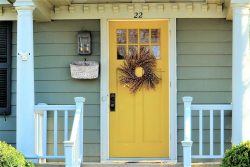
Why Steel Feels Like an Ice Block
The construction of a steel door usually involves two metal skins wrapped around a polyurethane core. While the core is effective, the edges of the door are often where the thermal bridge is strongest. In extremely cold weather, you might even see frost or condensation forming on the interior metal surfaces.
This condensation isn’t just a nuisance; it can lead to water damage on your flooring or trim over time. If you live in a high-wind area or have an entrance that faces the North, this thermal transfer is even more noticeable. Fiberglass eliminates this specific pain point entirely because the material itself does not hold the cold.
Ending the Rust and Dent Cycle
Durability is about more than just surviving the wind. It is about surviving daily life. Think about hockey bags, grocery bags, and kids’ bikes. Your front door is a high-traffic zone that takes a lot of physical abuse.
Steel doors are strong, but they are prone to denting. Once a steel door is dented, it is nearly impossible to pop that dent back out without leaving a mark. Furthermore, if the paint or protective coating is scratched, the exposed metal is vulnerable to the Ontario humidity and road salt.
Rust often starts at the very bottom of a steel door where slush and salt accumulate. Once rust begins under the paint, it spreads quickly, eventually bubbling the finish. This is the “rust and dent cycle” that many homeowners want to avoid when they invest in a new entrance.
Real-World Durability for Busy Families
Fiberglass is engineered to be incredibly tough. It has a high strength-to-weight ratio and is naturally resistant to denting. You can kick it, bump it, or hit it with a heavy bag, and it will likely bounce back without a mark.
Because fiberglass cannot rust or rot, it is the ideal choice for the wet, salty conditions of a Canadian winter. It doesn’t matter if you scratch the surface; the material underneath is the same color and is waterproof. This makes it a “set it and forget it” option for families who don’t want to spend their weekends repainting or repairing their front entrance.
Choosing Energy Efficient Entry Doors for Your Home
Energy efficiency is a top priority for any Ontario renovation. Your door is one of the largest “holes” in your home’s envelope. If it isn’t performing, you are essentially throwing money out the window.
When looking for energy efficient entry doors, you need to consider the R-value, which measures thermal resistance. Generally, fiberglass doors have a higher R-value than steel doors of the same thickness. This is because the fiberglass skin itself contributes to the insulation, whereas a steel skin is purely structural.
A well-insulated door does more than save on hydro bills. It also acts as a sound barrier. If you live on a busy street in London, you will notice that a thick fiberglass door blocks out significantly more traffic noise than a hollower-sounding steel door.
Comparing R-Values and Heat Loss
While both materials are better than the wood doors of the past, fiberglass consistently wins the efficiency battle. Most high-quality fiberglass units are ENERGY STAR certified, meaning they meet strict criteria for preventing heat transfer.
When you pair a fiberglass slab with professional weatherstripping and a high-performance sill, you create an airtight seal. This prevents those tiny “whistling” drafts that occur when a door doesn’t sit perfectly in its frame. For a deeper look at your options, you can see our full range of doors to see how different styles impact performance.
Aesthetics and Curb Appeal Without the Work
Everyone loves the look of a solid oak or mahogany door. What people don’t love is the maintenance. Wood doors require sanding, staining, and sealing every few years to prevent them from greyed-out or cracking in the sun.
Fiberglass has revolutionized the industry by offering “wood grain” textures that are almost indistinguishable from the real thing. These doors are molded from real wood pieces, capturing the exact grain patterns and depths of natural timber. You get the warmth of wood with the durability of a composite.
If you are looking for ways to refresh your home, check out these 8 ways to spruce up your home’s front entrance for inspiration on colors and hardware. A fiberglass door provides a perfect canvas for high-end stains that last for decades without fading.
Stained Fiberglass vs Painted Steel
Steel doors look best when they are painted in solid, bold colors. They have a smooth, clean surface that fits well with modern or industrial designs. However, they cannot be stained to look like wood. If you try to stain a steel door, it often looks streaky and artificial.
Fiberglass can be either painted or stained. This versatility makes it a favorite for homeowners who want a specific “heritage” look but need modern performance. The finish on a fiberglass door is also more resistant to UV rays, meaning your dark colors won’t turn chalky or faded after a few summers in the direct sun.
The Final Verdict on Longevity and Value
When you look at the total cost of ownership, the fiberglass vs steel doors debate comes down to “now” vs “later.” Steel doors are more affordable upfront. If you are on a tight budget or fixing up a property for a quick sale, steel is a reliable and safe choice. It provides good security and a clean look at a lower price point.
However, if you plan to stay in your home for five years or more, fiberglass offers a much better return on investment. You save on energy costs, you avoid the cost of repainting, and you maintain a higher resale value. A fiberglass door is often the last door a homeowner ever needs to buy.
At McCallum Aluminum, we believe in providing solutions that solve problems before they start. We recommend fiberglass for most main entrances in London because it handles our specific climate with ease. It offers the best blend of beauty, toughness, and thermal performance available today.
Ready to see the difference in person? We invite you to contact us for a free consultation or visit our showroom to feel the texture and weight of our high-performance doors for yourself. Let’s build an entrance that stands the test of time.
FAQs
Is a fiberglass door more secure than a steel door? Both materials provide excellent security for residential use. A steel door is slightly harder to puncture with a heavy tool, but fiberglass is much harder to dent or bend. In most cases, the strength of the lock and the door frame matters more for security than the material of the slab itself.
How do I clean a fiberglass door? Maintenance is simple. Just use a mild soap and water solution with a soft cloth. Avoid using harsh chemicals or abrasive pads that could scratch the finish. Because the material is waterproof, you don’t have to worry about water getting into the grain.
Can I paint my steel door a different color later? Yes, steel doors take paint very well. You just need to ensure the surface is clean and lightly sanded before applying a high-quality exterior trim paint. This is a great way to update your curb appeal without replacing the whole unit.
Does fiberglass crack in extreme cold? High-quality residential fiberglass is engineered not to crack or become brittle in Canadian winters. It is the same material used in boat hulls and high-end automotive parts because of its ability to withstand impact and temperature shifts.
Which is better for a side door or garage entry? For secondary entrances where aesthetics are less important, steel is often the preferred choice. It provides a high level of security and fire resistance at a lower cost, making it ideal for utility entrances.