
Why ‘Builder Grade’ Windows Cost You More in the Long Run
April 16, 2026 12:34 pmBuying a home is often the largest investment you will ever make. When you walk through a new build or a freshly flipped property, the sparkling glass and clean white frames look perfect. However, what lies beneath the surface of those windows often tells a different story. In the industry, we call these “builder-grade” windows. They are the bare minimum required by building codes, designed to keep a house at a specific price point rather than providing long-term comfort for the family living inside.
Defining the Difference: Builder Grade Windows vs Premium Windows
To understand why your home feels drafty or why your energy bills are creeping up, you have to look at how these products are manufactured. The debate of builder grade windows vs premium windows isn’t just about brand names. It is about structural integrity and thermal science.
The Anatomy of a Basic Window
Builder-grade windows are manufactured for mass production. To keep costs down, manufacturers use thinner vinyl extrusions. These frames often lack internal reinforcement, making them prone to bowing or warping under the intense heat of an Ontario summer or the deep freeze of winter. When the frame warps, the airtight seal is lost. The glass is often “single-strength,” which is thin and offers very little in the way of insulation or soundproofing.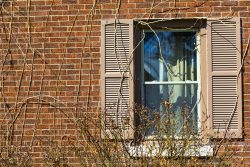
Why Premium Engineering Matters
Premium windows, such as the ones we install, utilize multi-chambered frames. These internal pockets act as extra layers of insulation, trapping air and preventing heat transfer. The vinyl is high-grade and UV-stabilized, ensuring it won’t yellow or become brittle over time. Most importantly, the hardware—the cranks, locks, and hinges—is heavy-duty stainless steel or coated alloys designed for thousands of cycles without stripping or breaking.
Hidden Costs of Replacement Windows in London, Ontario
If you are looking for replacement windows in London, Ontario, the sticker price of a premium unit can sometimes cause pause. However, looking at the initial cost in isolation is a mistake. You have to account for the “total cost of ownership” over fifteen to twenty years.
The Rising Price of Energy Inefficiency
London experiences extreme temperature swings. We go from -25°C in January to humid 30°C days in July. Builder-grade windows have high U-factors, meaning they allow heat to escape in winter and pour in during summer. Your HVAC system has to work twice as hard to maintain a steady temperature. Over a decade, the extra hundreds of dollars spent on monthly utilities can easily exceed the original cost of a window upgrade.
Frequent Repairs and Early Replacement Cycles
We often see homeowners needing to replace “new” windows that are only seven or eight years old. Because the frames on lower-quality units flex, the glass seals eventually fail. Once a seal is gone, the insulating gas escapes and moisture enters. You cannot “repair” a failed seal effectively; you usually have to replace the entire sash or the whole window unit. Spending money twice on the same opening is the ultimate hidden cost.
Solving the “Foggy Window” Frustration
There is nothing quite as annoying as looking out your window and seeing a permanent haze. This “fog” is actually calcium deposits and moisture trapped between the panes of glass. It happens because of “solar pumping.” During the day, the sun heats the air between the panes, causing it to expand and put pressure on the seals. At night, it cools and contracts.
Cheap seals cannot handle this constant expansion and contraction for more than a few years. Premium windows use flexible, high-performance spacers and dual-seal technology. This ensures that the argon or krypton gas stays in, and the humid Ontario air stays out. Keeping your views clear isn’t just about aesthetics; it is a sign that your window is still doing its job of insulating your home.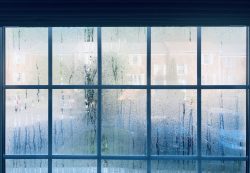
Silence the Street: Noise Pollution and Glass Thickness
If you live near a busy road or a vibrant neighborhood, noise pollution is a significant factor in your quality of life. Builder-grade windows use thin glass that vibrates with every passing truck. Premium windows often feature offset glass thickness or triple-pane configurations. This disrupts sound waves, turning a loud street into a quiet sanctuary.
Sustainable living isn’t just about the heat; it is about creating a durable, peaceful environment. You can read more about how sustainable window styles contribute to energy-efficient homes to understand the broader impact of your choices on your living space.
The Impact on Home Resale Value
When it comes time to sell your home, savvy buyers and home inspectors look closely at the windows. If an inspector sees fogged glass or feels a draft, they will flag the windows as an upcoming capital expense. This often leads to buyers asking for thousands of dollars in price reductions during negotiations.
On the other hand, having high-efficiency, premium windows with a transferable warranty is a massive selling point. It tells the buyer that the home has been well-maintained and that they won’t have to worry about renovation costs for decades. It is one of the few home improvements that offers a high return on investment both in daily comfort and final sale price.
Long-Term Sustainability and Environmental Impact
Every time a low-quality window fails and gets tossed into a landfill, it contributes to environmental waste. Because builder-grade units have such short lifespans, they are inherently unsustainable. By choosing a window that lasts forty years instead of ten, you are reducing the carbon footprint associated with manufacturing and transport. Furthermore, the energy you save by not overworking your furnace directly reduces your home’s greenhouse gas emissions.
Choosing the Right Investment for Your Home
When you evaluate different types of windows for your project, look beyond the glass. Consider the warranty and the reputation of the installer. A premium window installed poorly will perform just as badly as a cheap one.
What to Look for in a High-Quality Quote
A reputable contractor should be able to explain the Energy Rating of their products. They should offer a variety of glass tints and coatings, such as Low-E, which reflects heat back to its source. Most importantly, they should stand behind their work. At McCallum Aluminum, we believe in doing it right the first time so you never have to worry about it again.
If you are tired of feeling the winter chill or looking through foggy glass, it is time to see the difference quality makes. You can contact us today for a transparent, no-pressure consultation. We will help you identify the failure points in your current windows and provide a solution that adds real value to your London home.
Investing in your home’s exterior is about more than just “curb appeal.” It is about security, peace of mind, and financial wisdom. While the lower price of builder-grade products is tempting, the long-term reality is that they are an expensive mistake. Choose the quality your home deserves.
FAQs
How long do builder grade windows actually last? Typically, you can expect builder-grade windows to last between 5 and 10 years before showing signs of significant failure, such as seal leaks, warping, or mechanical issues with the cranks and locks.
Can I replace just the glass if my builder-grade window is foggy? While you can sometimes replace just the glass unit (IGU), it is often a temporary fix. If the frame is poor quality or warped, the new glass seal will likely fail again quickly. A full replacement with a premium frame is usually more cost-effective in the long run.
Are triple-pane windows worth the extra cost in Ontario? In the Southwestern Ontario climate, triple-pane windows provide a significant boost in comfort and noise reduction. While the upfront cost is higher, the energy savings and eliminated cold spots near windows make them a preferred choice for long-term homeowners.
How do I know if my current windows are builder grade? Check for thin vinyl frames that feel “flimsy,” a lack of branding on the spacers, single-strength glass, and hardware that feels difficult to operate. If your house is part of a large subdivision and the windows are failing after 10 years, they are almost certainly builder-grade.