
2026 Vinyl Siding Trends: Swapping “Gray” for Nature-Inspired Greens
March 19, 2026 11:27 amChoosing a new exterior for your home is a major commitment. In Southwestern Ontario, where the weather swings from humid 30°C summers to bone-chilling -20°C winters, your siding has to do more than just look good. It needs to protect your structure while keeping your energy bills manageable. As we move through 2026, we are seeing a significant shift in how London homeowners approach their renovations. The era of the “all-gray” house has officially ended, making room for palettes that feel organic, warm, and sophisticated.
The Shift Toward Warmth and Organic Tones
For the past decade, cool grays dominated the London streetscape. In 2026, the trend has swung toward “warmth.” This change is driven largely by “Resale Anxiety.” Homeowners want their property to stand out, but they don’t want a color so specific that it alienates future buyers.
The new neutrals are shades of “Greige”—a blend of gray and beige—along with soft tans and mushroom tones. These colors feel more inviting and less clinical than the stark grays of 2020. They also have a practical benefit: they show far less road salt and dust than darker or cooler tones. When you choose a warm neutral, you create a foundation that works with almost any landscaping or roofing color.
Why Green is the Breakout Star of 2026
If there is one color defining the vinyl siding trends 2026 market, it is green. We aren’t talking about the bright forest greens of the 1990s. Today’s greens are muted, dusty, and inspired by nature. Think of shades like Juniper, Sage, and Olive.
These tones are gaining massive traction because they help a home feel connected to its environment. In neighborhoods with mature trees, a green-toned home feels like it has always belonged there. Green is also incredibly versatile. It pairs beautifully with natural stone accents and white trim for a crisp look, or with black trim for a more modern, moody aesthetic.
The Modern Farmhouse Evolves: Creamy Whites and Wood
The “Modern Farmhouse” style is still a favorite in Southwestern Ontario, but it has evolved for 2026. The high-contrast “Stark White and Black” look is being replaced by a softer version. Homeowners are now opting for “Creamy Whites” or “Linen” shades.
Instead of just flat white panels, people are adding visual interest through texture. Mixing traditional horizontal vinyl siding with vertical Board and Batten in the gables or entryways creates a custom-built appearance. This prevents the home from looking like a “white box” and adds the architectural depth that buyers look for.
Solving the “Mixed Material” Confusion
One of the biggest pain points we hear from clients is how to mix different materials without the house looking cluttered. In 2026, the secret is “Zonal Texturing.” This means using one primary siding color and material for 80% of the home, then using a specialty material for the remaining 20%.
For example, you might use a standard lap siding for the main body of the house but switch to a wood-grain aluminum soffit or a stone veneer around the porch. This creates a high-end, multi-dimensional look. Many homeowners use this strategy to improve their curb appeal without the maintenance headaches of real wood.
Dark Colors and the Southwestern Ontario Climate
Dark siding—like Midnight Blue, Charcoal, and Deep Slate—remains a popular choice for those wanting a bold, modern look. However, dark colors come with a specific concern in London: heat absorption. In the past, dark vinyl could absorb so much sun that it would warp or “oil can” during a hot July heatwave.
In 2026, technology has caught up. Premium manufacturers like Gentek and Mitten use advanced heat-reflective pigments. These dark colors now reflect infrared light rather than absorbing it. This keeps the siding panels cooler and prevents the expansion and contraction that leads to buckling. If you love the look of a dark exterior colors palette, ensure your contractor is using a high-gauge, heat-resistant product designed for our climate.
Maximizing Your Return on Investment (ROI)
Siding is one of the few home improvements that offers a high return on investment. Not only does it protect the building envelope, but it also dramatically changes the first impression of the property. To get the best ROI in 2026, focus on these three things:
- Insulation: Always opt for an insulated backing. It makes the siding panels stiffer (meaning they look straighter on the wall) and significantly improves your home’s R-value.
- Color Longevity: Stick to the “Nature-Inspired” palette. These colors have proven to have the longest shelf life in terms of style.
- Professional Installation: Even the most expensive siding will look cheap if it isn’t installed correctly. Proper flashing, starter strips, and corner posts are what separate a DIY job from a professional McCallum installation.
The Rise of “Moodier” Earth Tones
As we move deeper into the year, we are seeing a rise in “Terra” tones—colors that pull from clay, brick, and terracotta. While these are bolder choices, they work exceptionally well on older homes in downtown London or the Woodfield area. These shades offer a historical feel while providing the low-maintenance benefits of modern vinyl.
When picking a moodier earth tone, consider your “fixed” elements. Your roof, your driveway, and any existing brickwork are things you likely won’t change. Your siding color must harmonize with these elements. A warm, clay-toned siding paired with a dark gray roof is a sophisticated combination that feels both fresh and established.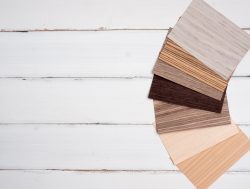
Maintenance in 2026: The Low-Stress Lifestyle
The primary reason vinyl remains the king of siding is the lack of maintenance. In 2026, homeowners value their time more than ever. Unlike wood, which needs staining every five years, or fiber cement, which may require repainting, vinyl just needs a quick wash with a garden hose once a year.
For Londoners who deal with a lot of pollen in the spring and salt in the winter, this is a massive benefit. Modern finishes are also more resistant to scratches and “chalking” (that white powdery residue seen on old siding), meaning your 2026 color choice will look just as sharp in 2036.
Ready to Transform Your Home?
Choosing a color is just the first step. Seeing these palettes in person and feeling the quality of the different siding gauges is essential. At McCallum Aluminum, we’ve helped London homeowners navigate these choices since 1957. We know what works in our climate and what will look great for decades.
If you are ready to move past the “Resale Anxiety” and create a home you love, we are here to help. You can contact us today to book a consultation or visit our showroom to see the 2026 color collections in person.
FAQs
What are the most popular siding colors for 2026? The most popular colors this year include muted greens (Sage, Juniper), warm neutrals (Greige, Mushroom), and creamy off-whites. Dark charcoals and navy blues remain popular for modern accents.
Does dark vinyl siding warp in the sun? Standard vinyl can warp if it absorbs too much heat, but modern premium siding features heat-reflective technology. This allows dark colors to stay cool and prevents the panels from buckling or “oil canning” in the summer.
How do I choose a siding color for resale value? To maximize resale value, stick to warm neutrals or soft earth tones. These colors appeal to the widest range of buyers and make the home look well-maintained and inviting.
Can I mix different types of siding on one house? Yes, mixing textures is a major trend in 2026. Combining horizontal lap siding with vertical Board and Batten or stone veneer adds architectural interest and increases curb appeal.