
How to Choose the Right Siding Profile: Board & Batten vs. Traditional Horizontal Vinyl
October 29, 2026 12:21 pmUpgrading your home exterior is one of the most effective ways to boost curb appeal and protect your property against harsh weather. When evaluating vinyl cladding, the choice often comes down to board and batten vs horizontal siding. Standard builder-grade lap siding has covered neighbourhoods for decades, but modern homeowners frequently seek distinct architectural character.
Selecting the right profile involves balancing visual impact, long-term durability, and installation budget. Horizontal panels offer familiar lines and cost-effective coverage. Vertical board and batten designs deliver striking accent details that make your home stand out on the street.
Board and Batten vs Horizontal Siding: Style and Aesthetics
Horizontal vinyl siding remains the most common exterior profile across Southwestern Ontario. Its parallel shadow lines complement traditional two-story homes, ranches, and bungalows. The classic profile mimics traditional wood lap cladding while eliminating regular painting and staining maintenance.
Vertical board and batten siding features wide vertical panels separated by narrow raised strips called battens. Originally created for historic timber barns, this profile has experienced a massive resurgence in contemporary residential design. The vertical lines draw the eye upward, making smaller homes appear taller and giving gables an eye-catching focal point.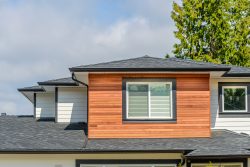
The Classic Appeal of Traditional Horizontal Lap Panels
Horizontal panels suit almost any architectural home design. They create clean, grounded sightlines that blend seamlessly into established residential streets. Because horizontal siding is so widely installed, finding matching trim pieces, replacement panels, or accent colors is straightforward.
Creating Visual Height with Vertical Board and Batten
Vertical siding breaks up flat exterior surfaces. It brings texture to expansive multi-story walls and gives front entryways a custom feel. Choosing vertical profiles lets you capture a modern farmhouse aesthetic without changing your home’s structural footprint.
Comparing Installation Costs and Labor Requirements
Cost is a major factor whenever you plan an exterior renovation. While raw vinyl material prices for both profiles remain relatively close, installation labor differs significantly due to wall preparation and trim fitting.
Horizontal siding installs quickly because panels lock together along long horizontal starter strips. Installers work from the foundation up, attaching panels directly to wall studs or exterior insulation boards.
Installing board and batten requires extra precision. Installers fit solid horizontal furring strips or specialized backing channels behind vertical panels to ensure proper attachment. Cutting around windows, doors, and roof overhangs takes more time, which increases overall installation labor by 15% to 25%.
Profile Installation Characteristics:
* Horizontal Lap: Fast installation, standard corner posts, minimal wall furring needed.
* Board & Batten: Requires horizontal furring, detailed window flashings, custom vertical alignment.
* Combined Layout: High visual impact, strategic labor allocation, flexible budget management.
Material Considerations for Exterior Wall Cladding
Heavy-gauge vinyl panels offer excellent impact resistance against hail, flying debris, and lawnmowers. Premium vinyl formulas contain color-locking technology that prevents fading from sunlight exposure, keeping your exterior looking fresh year after year.
Siding Options for Mixing Horizontal and Vertical Profiles
You do not have to pick just one profile for your entire exterior. Many homeowners achieve stunning balance by combining different siding options across their house facade.
Installing horizontal lap siding along primary ground-floor walls while placing board and batten inside upper gables creates dynamic contrast. This hybrid strategy gives you the architectural benefit of vertical accents while keeping primary installation costs under control.
Weather Resistance, Moisture Control, and Maintenance
Southwestern Ontario experiences intense seasonal shifts, ranging from summer humidity to winter freezing rain. Exterior cladding must shed water efficiently and prevent moisture from penetrating exterior wall sheathing.
Horizontal siding overlaps top-to-bottom, creating a natural watershed that directs rain down the face of the wall. Vertical siding relies on engineered tongue-and-groove locking channels that funnel water downward along vertical grooves.
Proper installation around window frames, soffits, and corners is essential for both styles. Ensuring seamless integration with your roof’s drainage system protects your home’s foundation from water runoff. You can learn more about protecting your roofline by viewing our guide to quality soffit and fascia replacement services.
Air sealing behind your cladding is just as critical as shedding water. According to research from the Canadian Home Builders’ Association, establishing a continuous airtight barrier across home walls prevents hidden moisture accumulation and cuts heating loss.
Maintenance Requirements:
- Annual Inspection: Check panel seams, corner posts, and perimeter caulking.
- Gentle Wash: Spray vinyl surfaces with a mild detergent and water solution to clear dust.
- Pest Prevention: Inspect bottom starter strips to ensure insect screens remain intact.
Choosing the Right Profile for Your Home Layout
Matching your siding selection to your house layout ensures a cohesive final appearance. Certain architectural styles naturally favor specific profile arrangements.
- Bungalows and Ranches: Horizontal lap siding anchors low-profile homes. Adding vertical board and batten in front porch gables creates warm, welcoming entry accents.
- Two-Story Colonials: Full horizontal siding keeps traditional proportions balanced. Adding board and batten accent sections around garage surrounds or front entry doors adds modern character.
- Modern Farmhouse Builds: Full vertical board and batten cladding paired with dark window trim delivers clean, high-contrast exterior lines.
- Split-Level Homes: Changing siding profiles between upper and lower stories clearly defines distinct living zones across the facade.
Maximizing Energy Efficiency and Curb Appeal in Ontario
Upgrading your exterior provides the ideal opportunity to boost wall insulation. Installing rigid foam insulation under new vinyl siding eliminates thermal bridging across wood wall studs, lowering monthly utility bills.
Combining new insulated cladding with modern window frames and fresh trim transforms aging builder-grade exteriors into energy-efficient showpieces. Explore our full range of durable cladding styles by browsing our premium vinyl siding options.
Ready to elevate your home’s curb appeal and energy performance? Contact the team at McCallum Aluminum Ltd. today to schedule your free, no-obligation estimate with our experienced exterior specialists!
FAQs
Is board and batten siding more expensive than horizontal vinyl siding?
Board and batten siding generally costs 15% to 25% more to install than traditional horizontal siding. While panel costs are similar, vertical siding requires horizontal furring strips and specialized trim fitting around openings.
Can you combine board and batten with horizontal siding?
Yes, combining both profiles is a popular design choice. Homeowners frequently install horizontal lap siding on main walls and use board and batten as an accent in roof gables or front entryways.
Does vertical siding hold up well against heavy rain?
Yes, engineered vertical vinyl siding features interlocking channels that direct water down the face of the wall. Proper flashing around windows and doors ensures complete moisture protection during severe storms.
What maintenance does vinyl board and batten siding require?
Vinyl board and batten requires minimal maintenance. Rinsing panels with a garden hose once a year removes dust and dirt without requiring repainting, staining, or sealing.